Mar-a-Lago Members Say Trump’s Farts Are Out Of Control
Mar-a-Lago members anonymously lament former President Trump’s uncontrollable flatulence disrupting social gatherings.






























Mar-a-Lago members anonymously lament former President Trump’s uncontrollable flatulence disrupting social gatherings.

Explore the phenomenon of “Trump Derangement Syndrome” (TDS) and its implications on individuals deeply invested in Donald Trump’s persona and politics. Understand the cognitive and emotional tendencies associated with TDS, while emphasizing the importance of nuanced discourse and empathy in navigating political polarization.

Trump “is running on jacking up prices on a huge amount of the goods we use every day. I know it sounds like I’m making this up. But genuinely his core economic policy proposal right now is an across-the-board, consumer sales tax for every good imported into the United States,” says Chris Hayes on Trump’s tariff plan.

ExxonMobil CEO’s shocking admission: Renewable energies don’t allow for proper exploitation of Americans, reaffirming the company’s commitment to fossil fuels. A satirical take on corporate greed and environmental negligence.

NPR’s Tamara Keith and Amy Walter of the Cook Political Report with Amy Walter join Amna Nawaz to discuss the latest political news, including Donald Trump’s escalating violent rhetoric and how lawmakers are responding, how establishment Republicans are dealing with Trump-endorsed candidates and President Biden’s rift with Israeli Prime Minister Netanyahu.

Explore the behavioral science behind Universal Basic Income (UBI) and how it increases employment rates by addressing financial anxiety, empowering individuals, fostering entrepreneurship, promoting human capital development, and recognizing the value of care work.
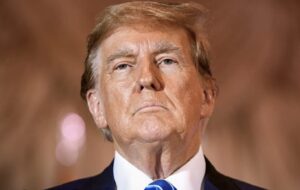
NBC News Correspondent Vaughn Hillyard and MSNBC Legal Correspondent Charles Coleman have more details on why Donald Trump is not getting help with fulfilling a nearly half a billion dollar bond to appeal his civil fraud case before his assets are seized by March 25.
Delve into the contentious issue of whether Donald Trump has evaded justice despite mounting evidence of wrongdoing, and explore the potential consequences for democracy and the rule of law.
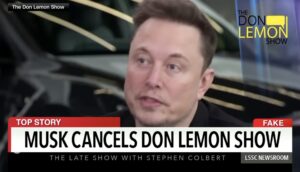
CNN’s Oliver Darcy breaks down key moments from the Elon Musk interview that led Don Lemon to lose his programming spot on the X platform.
Step into the surreal world of politics as former President Donald Trump achieves the unthinkable: Guinness World Records crowns him the ‘Most Corrupt President Ever.’ Dive into this comical take on Trump’s record-breaking journey, from scandals to triumphs, in this satirical article.

At a rally in Ohio, former President Donald Trump saluted people in prison for breaking into the Capitol on January 6th and falsely called them “hostages.” Trump’s former Vice President Mike Pence called that language “unacceptable.”

Explore the stark contrast in the treatment of Donald Trump and the Bidens as legal proceedings unfold. While Trump faces scrutiny under the rule of law, the Bidens endure political attacks driven by partisan agendas. Delve into the implications for justice and democracy in contemporary American politics.

Rachel Maddow explains how Russia is using real-looking, fake news sites to introduce propaganda in American discourse by giving fake stories the appearance of legitimate sourcing, fooling some Republicans into resharing false information that they want to believe is true.

Donald Trump supporting Republicans get brutally slammed in new ad, released by Gavin Newsom team, airing in red states highlighting horrific attacks on reproductive rights. John Iadarola and Danielle Moodie breaks it down on The Damage Report.

Sarah Longwell of the Republican Accountability PAC joins Morning Joe to discuss the launch of a new $50 million general election campaign showcasing the first-person stories of more than 100 former Trump voters who refuse to support him again in 2024.

Shocker they did not understand the definition of consent. That should terrify most people.

John Oliver discusses the Supreme Court, the ethically questionable gifts some of the justices receive, and an offer for Clarence Thomas that could ruin John’s life. Genuinely. You’ll see.

The presumptive GOP nominee is a dictator-loving Hitler fan who mocked President Biden’s speech impediment after the State of the Union. Across the pond, Brits are still trying to figure out what’s going on with Kate Middleton.

Jon Stewart unpacks the GOP’s migrant crime fearmongering, and brings in Desi Lydic to brainstorm on how Democrats might convict Trump. Ronny Chieng recaps Super Tuesday, the US sending aid to Gaza, and Trump’s attempt to lure in Black voters with AI.

Putin’s full-scale invasion of Ukraine has brought war back to Europe and is transforming Russia itself— dissent is crushed, propaganda is raging and fear is everywhere. Filmed over 12 months with unparalleled access, VICE News documents how this war is pushing the country from authoritarianism to dictatorship.